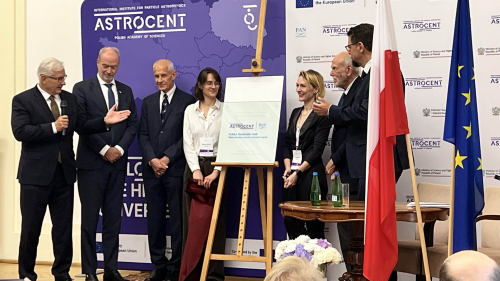
Looking back on four significant days in Warsaw, marked by the consortium meeting and progress review of the European Astrocent Plus project, the official inauguration of Astrocent as the International Institute for Particle Astrophysics of the Polish Academy of Sciences, and a public lecture by Nobel Prize winner Barry Barish at the 2026 Warsaw Science Festival.
Astrocent Plus: 2d consortium meeting and the 1st progress review of the Teaming for Excellence project in Warsaw
On September 23–24, 2026, the Astrocent Plus partners gathered in Warsaw for two important events in the project’s implementation: the second annual Consortium Meeting and the first periodic review under the European Teaming for Excellence programme.
Held on September 23, the Consortium Meeting brought together representatives of the project partners (DESY, GSSI, Lukasiewicz Centre, APC/CNRS, McDonald Institute) to review progress across the different Work Packages, discuss achievements and challenges, align priorities, and agree on goals and perspectives for the next implementation period. These annual meetings are an important part of the project workflow and are hosted each year by a different partner country. In 2026, the meeting took place in Poland.
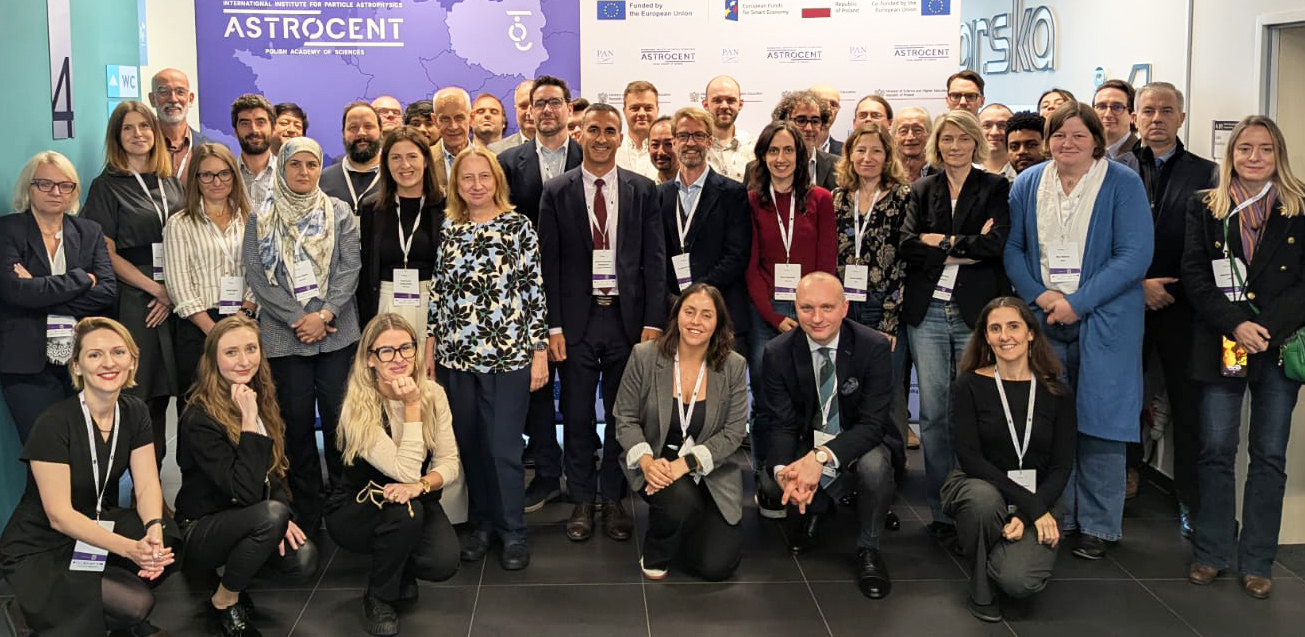
The following day, on September 24, the Astrocent Plus team reached another major milestone by holding its first periodic review meeting. Representatives of the consortium partners presented the progress achieved in each Work Package and discussed the project’s implementation with the European Commission representatives and external reviewers.
Constructive exchanges with the evaluators David Pozo Rubio and Malgosia Kaczmarek, as well as Alberto Fernández Wyttenbach, Project Officer at the European Research Executive Agency , enabled a comprehensive assessment of achievements and preparation for the next steps of Astrocent Plus.
Astrocent becomes the International Institute for Particle Astrophysics of the Polish Academy of Sciences (IIPA PAS)
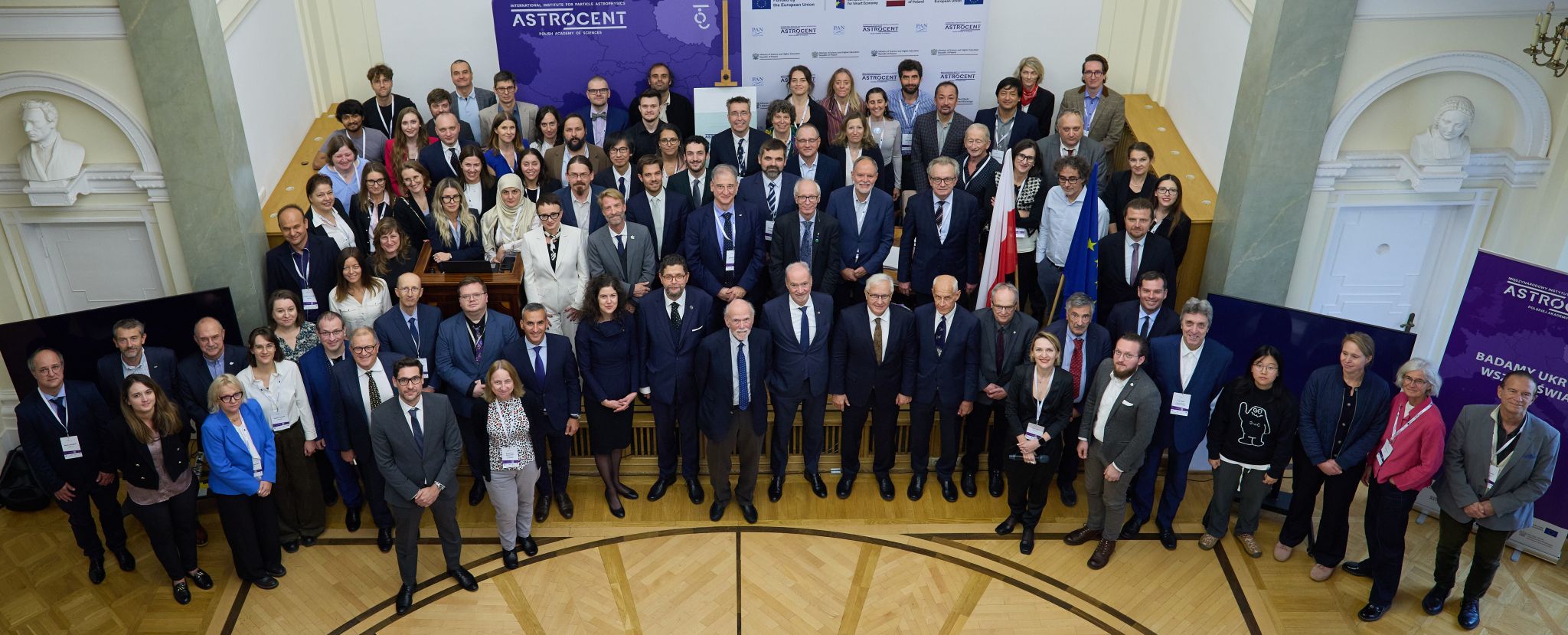
On September 25, 2026, celebrations continued at the Staszic Palace, headquarters of the Polish Academy of Sciences, for the official inauguration of Astrocent as the International Institute for Particle Astrophysics (IIPA), dedicated to the study of the hidden Universe (dark matter, neutrinos, gravitational waves, etc.).
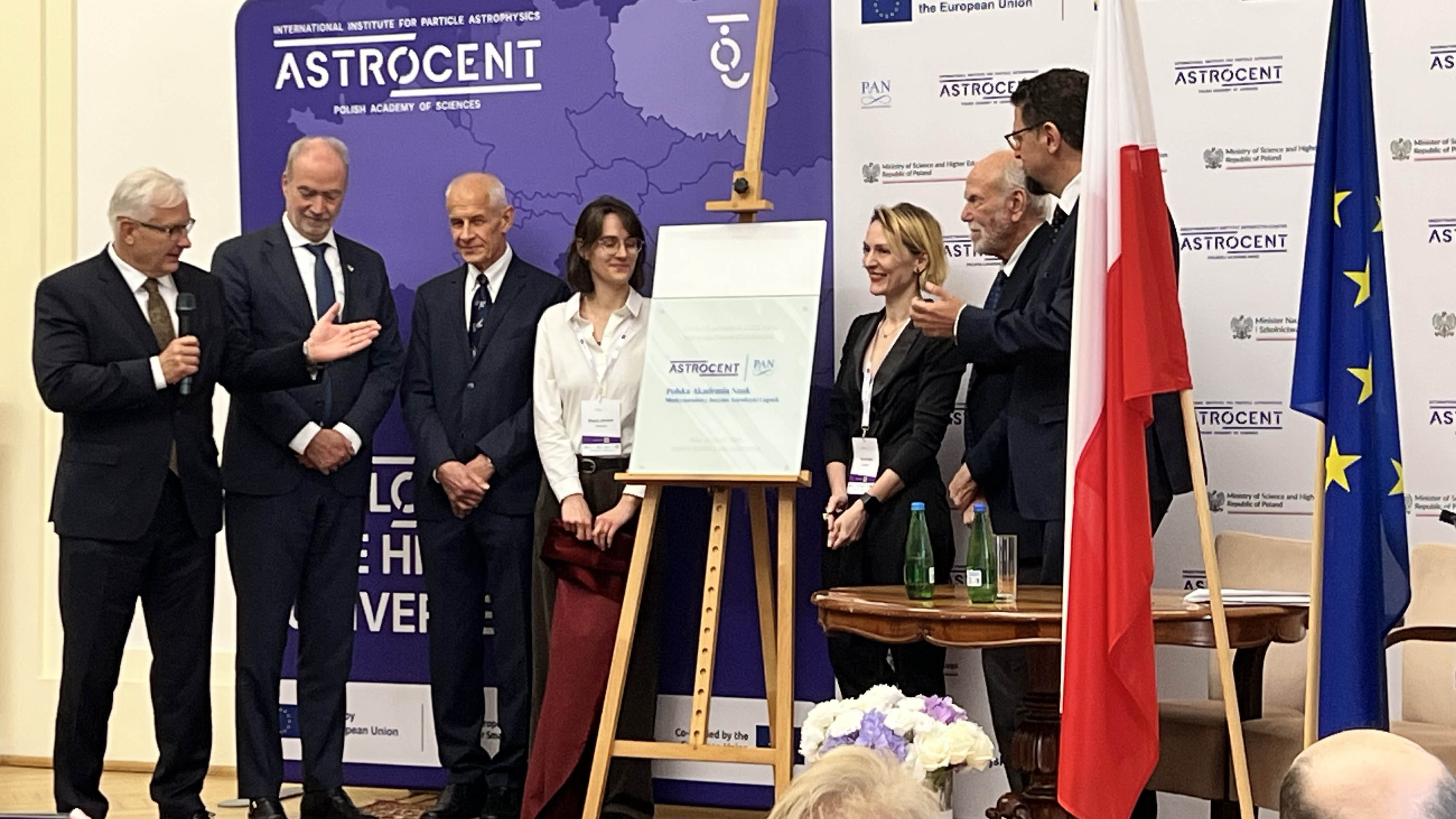
In the presence of notable figures such as 2017 Nobel Prize winner in Physics Barry Barish; the President of the Polish Academy of Sciences Marek Konarzewski; the Undersecretary of State at the Polish Ministry of Science and Higher Education( MNiSW) Andrzej Szeptycki; the French Ambassador to Poland H.E. Étienne de Poncins; and the Counsellor for Political and Economic Affairs of Canada in Poland Marie-Hélène Côté, this event marked the transformation of Astrocent into an autonomous research institute.
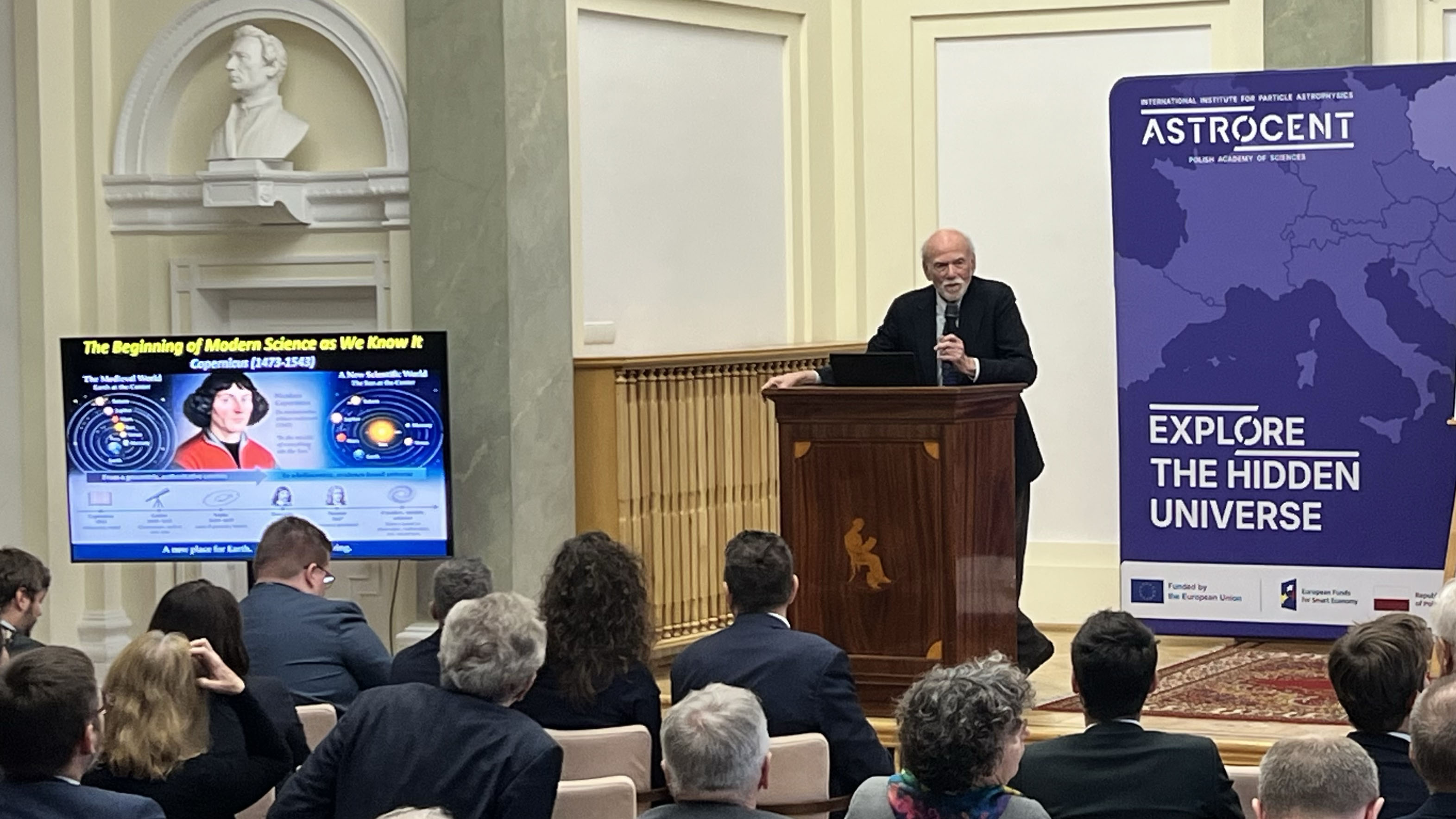
Enriched by congratulatory messages from 2015 Nobel Prize winner in Physics Arthur B. McDonald and the President of the Mazovia region Adam Struzik, the day also hosted the inaugural meeting of the Institute's International Scientific Council.
Science at the heart of IIPA: exploring the hidden universe
The International Institute for Particle Astrophysics (IIPA) is dedicated to the study of phenomena and particles inaccessible to traditional optical telescopes. Its researchers participate in major international projects, including DarkSide-20k, DEAP-3600, Advanced Virgo, Einstein Telescope, Hyper-Kamiokande, and KM3NeT.
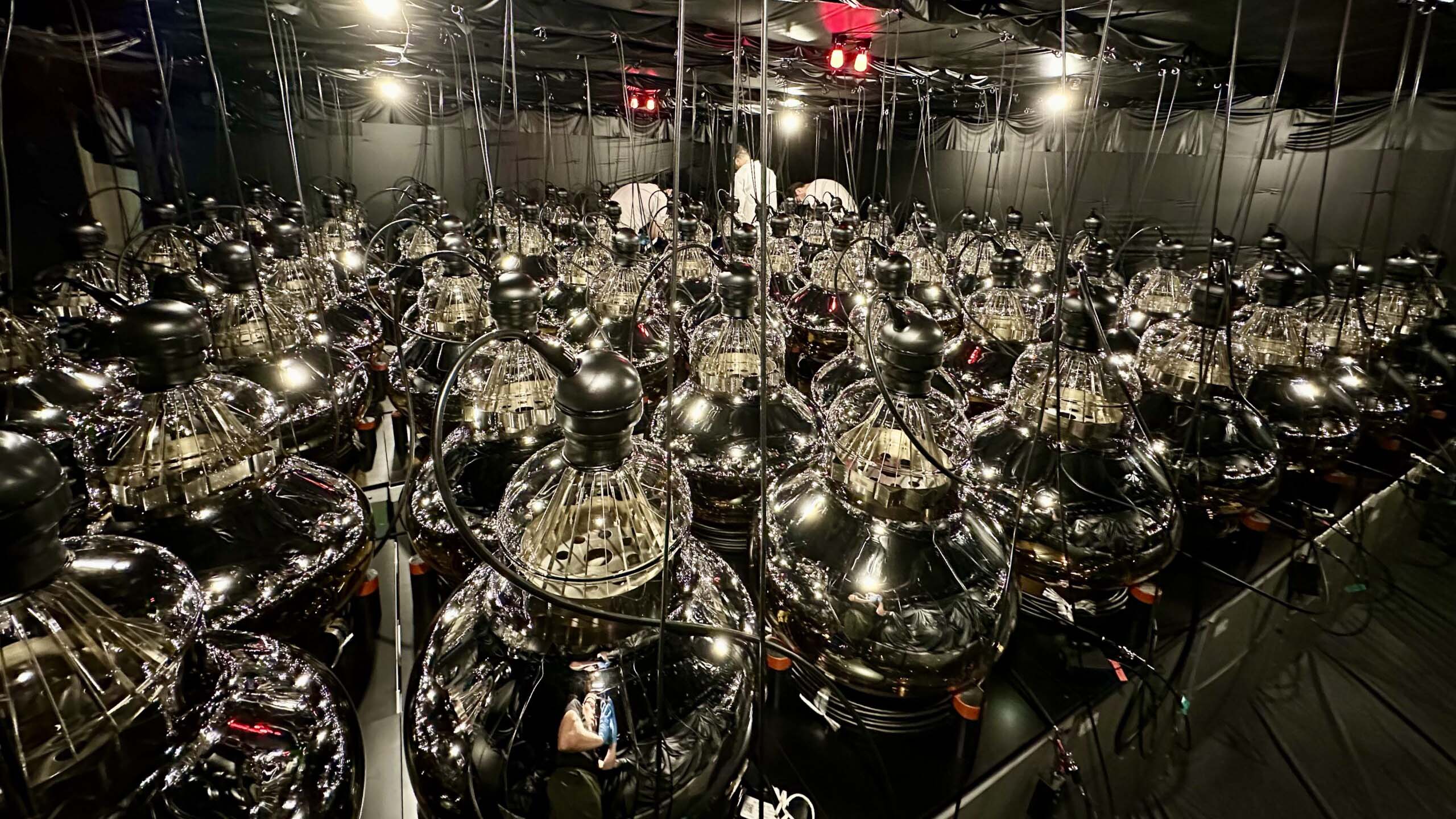
Their work focuses on three major themes: dark matter, which makes up most of the Universe's mass without emitting or reflecting light; neutrinos, these almost massless elementary particles capable of passing through matter without interacting with it; and gravitational waves, these ripples in spacetime generated by extreme cosmic events, such as black hole collisions.
Innovative technologies serving society
Beyond fundamental research, IIPA positions itself as a player in technology transfer. The technologies developed to study dark matter, neutrinos, and gravitational waves indeed find concrete applications far beyond laboratories: in medicine, climate monitoring, sustainable energies, and environmental security.
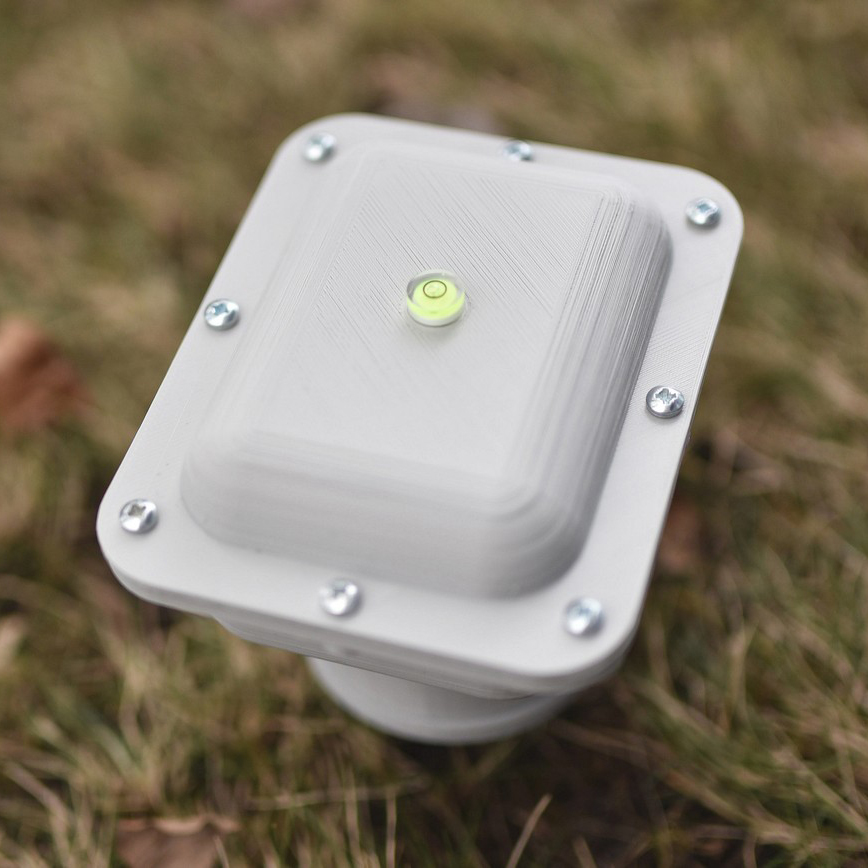
By combining cutting-edge astroparticle physics with solutions oriented towards real-world challenges, IIAP aims to make fundamental science a driver of innovation for the benefit of society.
Barry C. Barish at the Warsaw Science festival: lecture on the invisible Universe
To conclude these four days, on Saturday, September 26, 2026, attention turned to knowledge sharing as part of the Warsaw Science Festival (Festiwal Nauki). In the Old Library of the University of Warsaw, Prof. Barry Barish delivered a lecture entitled "Probes of the Invisible Universe."
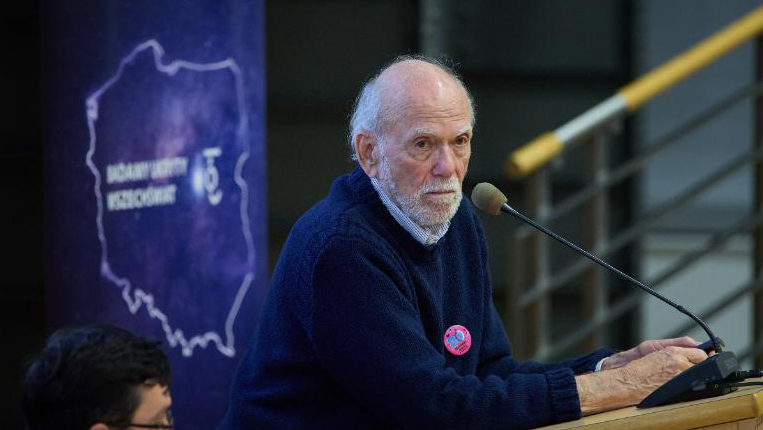
Dedicated to developments in modern physics, gravitational waves, and the mysteries of dark matter, his presentation was followed by a lively debate led by Prof. Leszek Roszkowski, founder of Astrocent, offering a privileged space for exchange between researchers and the general public.